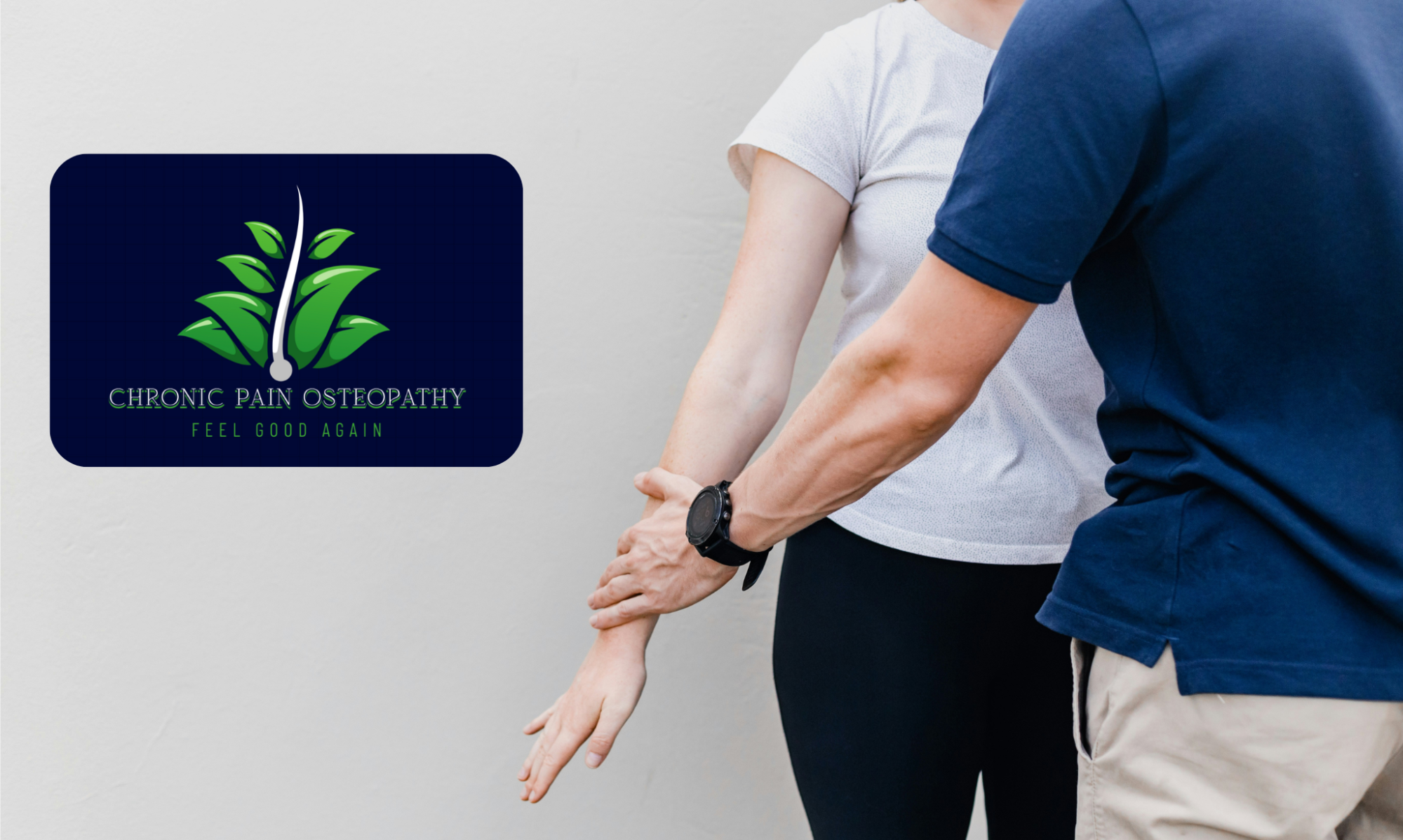
What is Osteopathy?
Osteopathy is a holistic approach to healthcare that emphasizes the interrelationship between the body’s structure and function. It focuses on diagnosing, treating, and preventing a variety of health issues through manual manipulation and other techniques. Osteopaths believe that the body has an innate ability to heal itself and that proper alignment and movement are essential for maintaining health.
Osteopathic treatment often includes hands-on techniques, such as stretching, massage, and joint mobilization, aimed at improving circulation, relieving tension, and promoting overall well-being.
Osteopathy is commonly used to treat musculoskeletal problems, but practitioners may also address a wide range of health issues, including respiratory, digestive, and neurological conditions.
Osteopaths receive specialized training and are licensed to practice in many countries, often working alongside other healthcare professionals. The philosophy underlying osteopathy stresses a patient-centered approach, considering not just symptoms but also lifestyle and emotional factors in treatment.
Benefits of Osteopathy
01
Musculoskeletal Issues
People with back pain, neck pain, joint pain, or sports injuries often find relief through osteopathic treatment.
02
Chronic Conditions
Individuals suffering from conditions like arthritis, migraines, or fibromyalgia may experience improved symptoms.
03
Postural Problems
Those with poor posture or related issues from long hours of sitting or repetitive tasks can benefit from osteopathic adjustments
04
Pregnancy
Osteopathy can help alleviate discomfort associated with pregnancy, including back pain and pelvic discomfort.
05
Children and Infants
Osteopathy can be beneficial for addressing common childhood issues like colic, feeding difficulties, and developmental concerns.
06
Elderly Individuals
Older adults may seek osteopathic care for mobility issues, arthritis, or balance problems.
Osteopathy is a patient-centered approach, and treatment plans are tailored to individual needs, making it accessible for many different populations.
